Inner Istria, whose territory changes considerably in a few km away, ranging from mountains to hills, from forest to semi-arid karst, offers us a colorful world made up of many villages that tell the history, culture, anecdotes and legends that occurred over the centuries.
- A real time machine that will take us back from ancient Rome to today
- A unique opportunity to experience the history of Istria immersed in the nature of this territory
- Children under 7 years enjoy a 50% discount
| Included | GT coach with air conditioning. Tours with professional guide throughout the day, as per program. Presence of a companion for the entire duration of the tour. Tickets and reservations for admission to all museums and sites of interest. Insurance mandatory |
|---|---|
| Not included | Optional excursions. Lunch. Tips.Extra. Anything else not indicated in the item the fee includes. |
| Duration | 13 Hours |
| Participants | Itinerary from 15 to 20 PAX |
Further information
The tour includes departure by G.T. equipped with air conditioning.
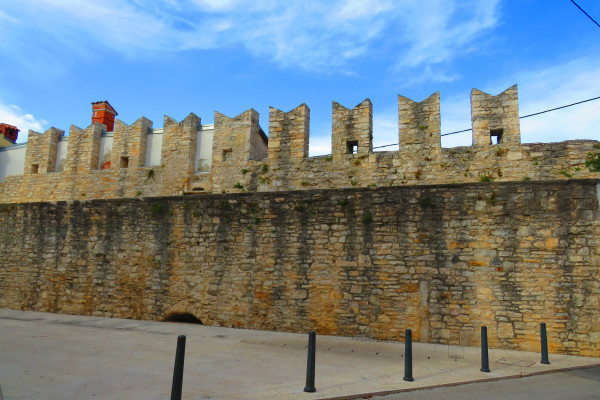
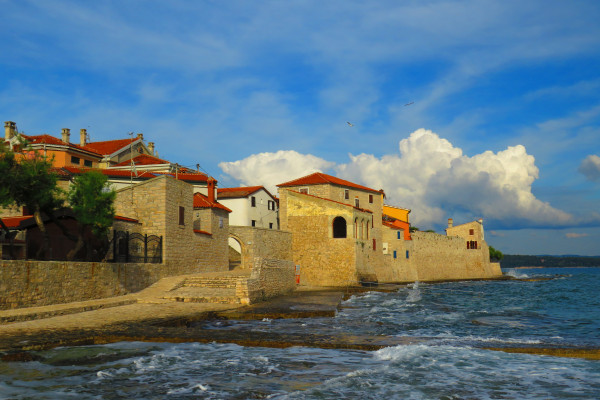
First stop Novigrad which represents the Venetian Republic with the remains of the walls with Ghibelline battlements, where we can see progress and modernity more evident, being this Croatian town among the most economically developed in the state. Nice and picturesque with a beautiful promenade with free time for a stroll and some shopping.
Free lunch.
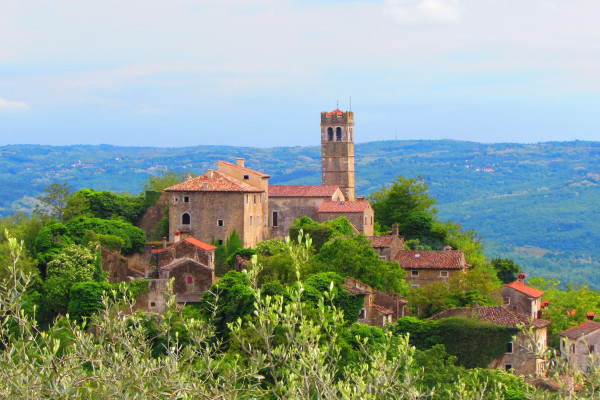
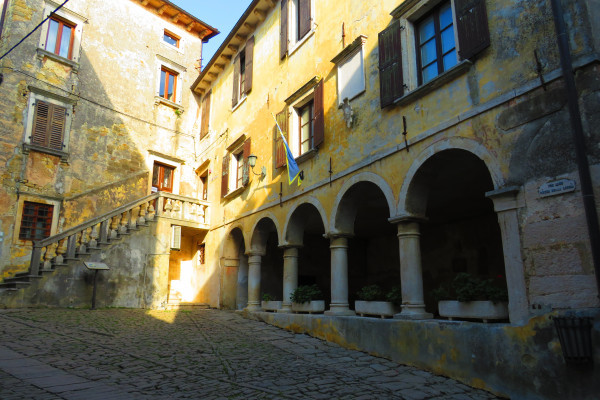
Second stage Grožnjan. Today known as the city of artists, Grožnjan also experienced an era of abandonment like Piedmont, but its houses and mighty walls tell of a glorious past in the era of the Serenissima when Grožnjan was Captaincy of the Paesanatico and an important port on the Mirna River once navigable.
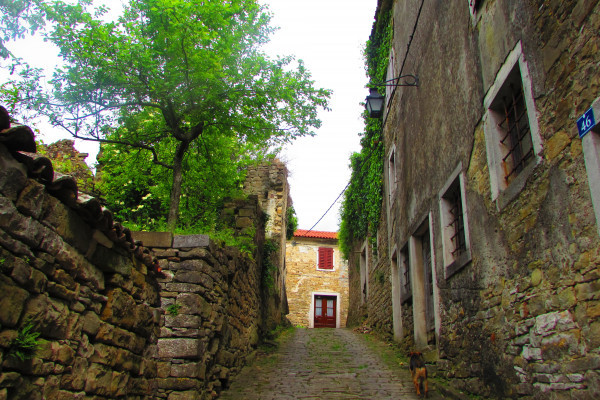
Our third and last stop will touch Piedmont of Istria. Picturesque medieval town, today practically a ghost town. Place built on an ancient fortified castle later conquered by the Romans near which, according to some historians, it ran the oldest Roman road through inland Istria. Particularly the medieval urban structure remained practically intact with the leaning crenellated tower. The post-war history that left Piedmont almost uninhabited is particularly interesting.
At the end of the visit, I return to Italy.
